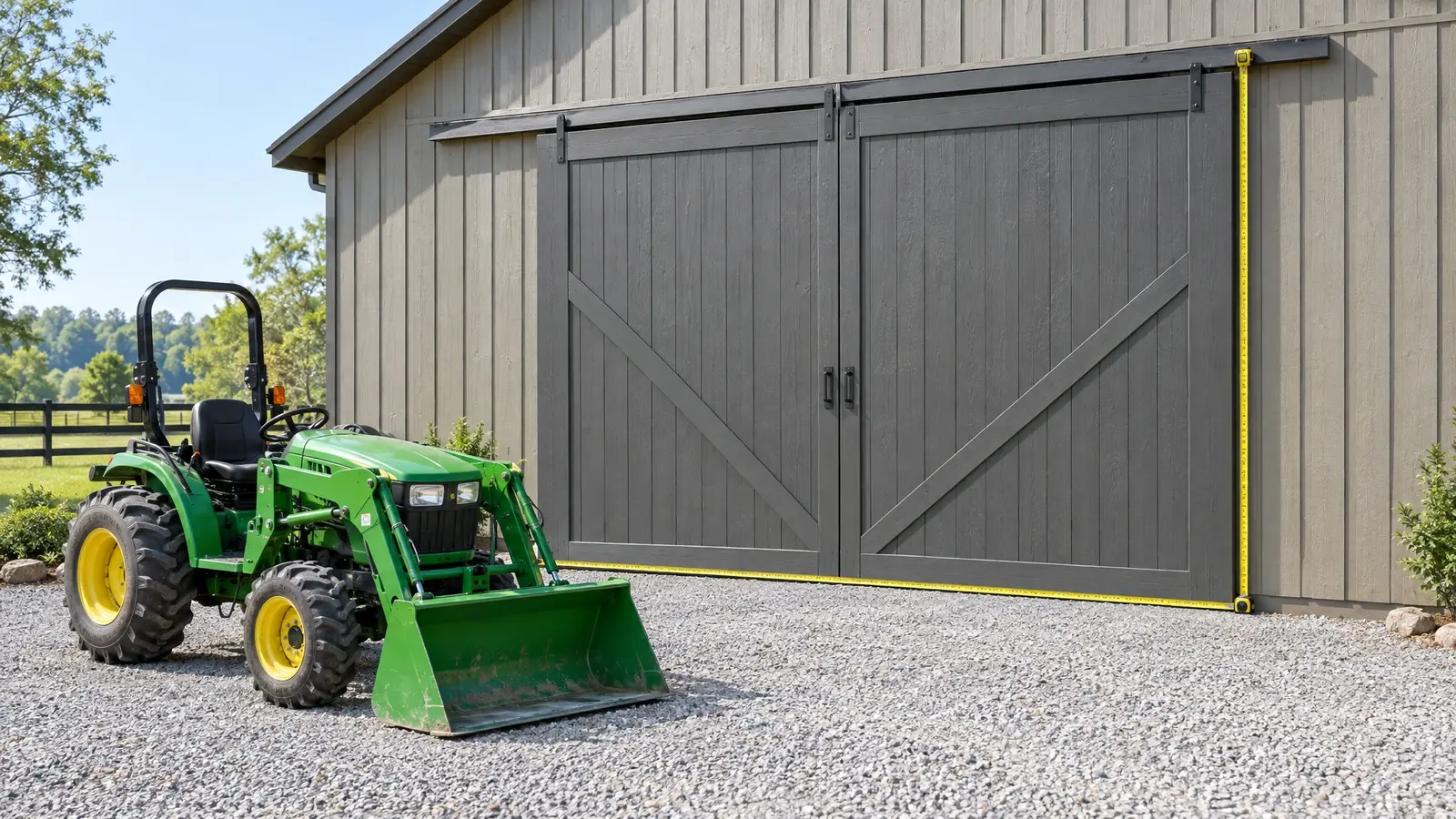
Measure the biggest thing
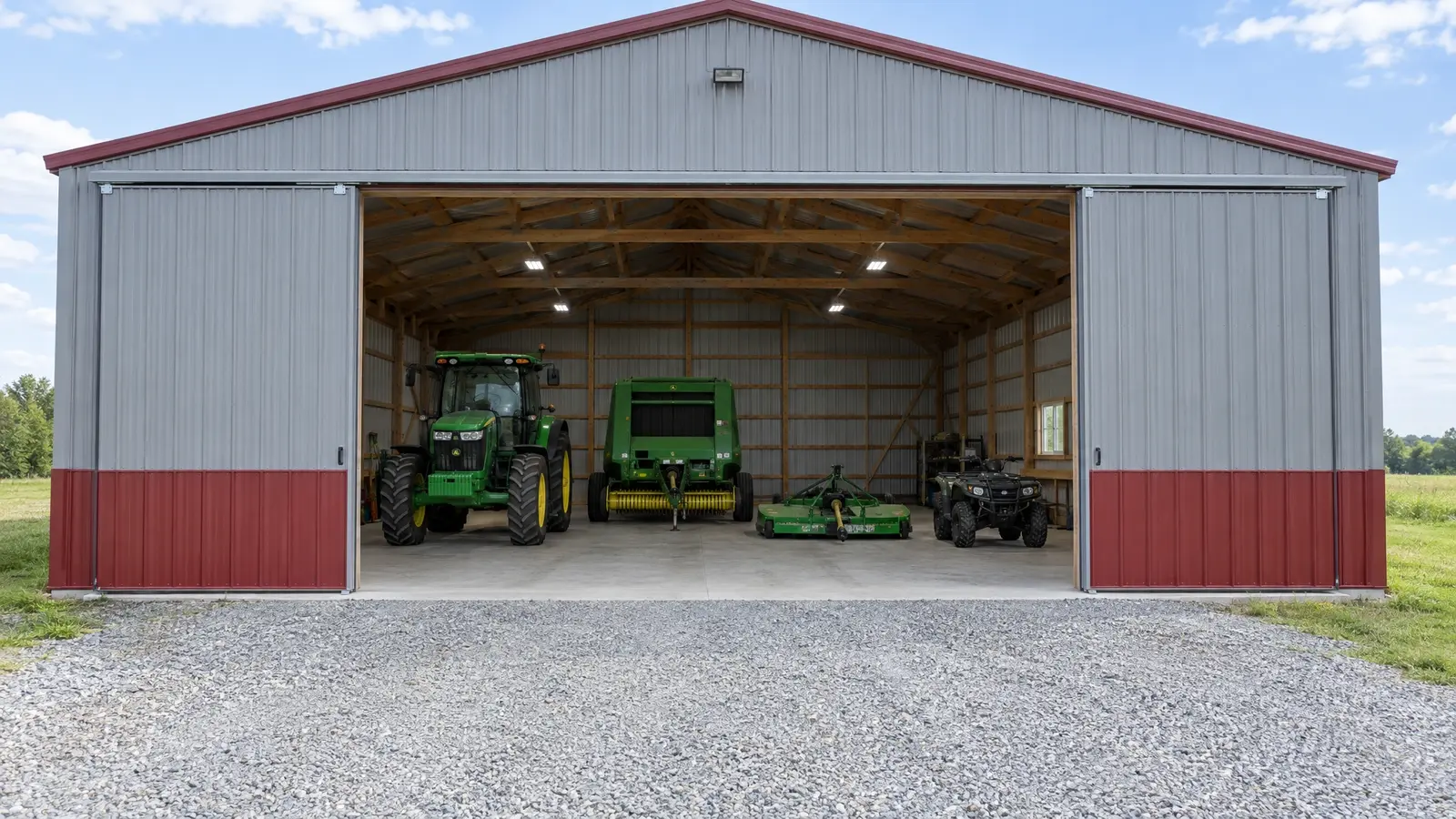
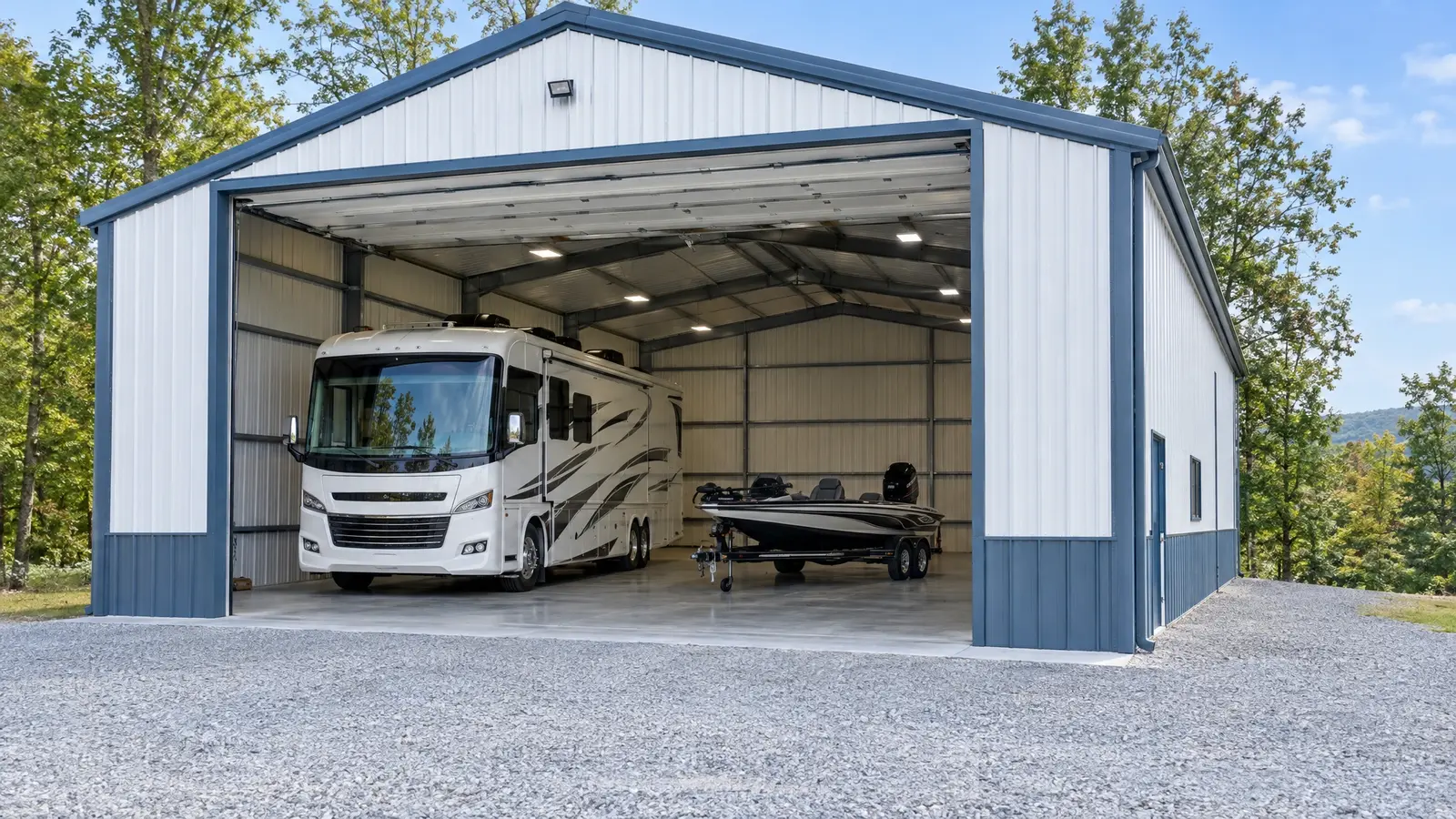
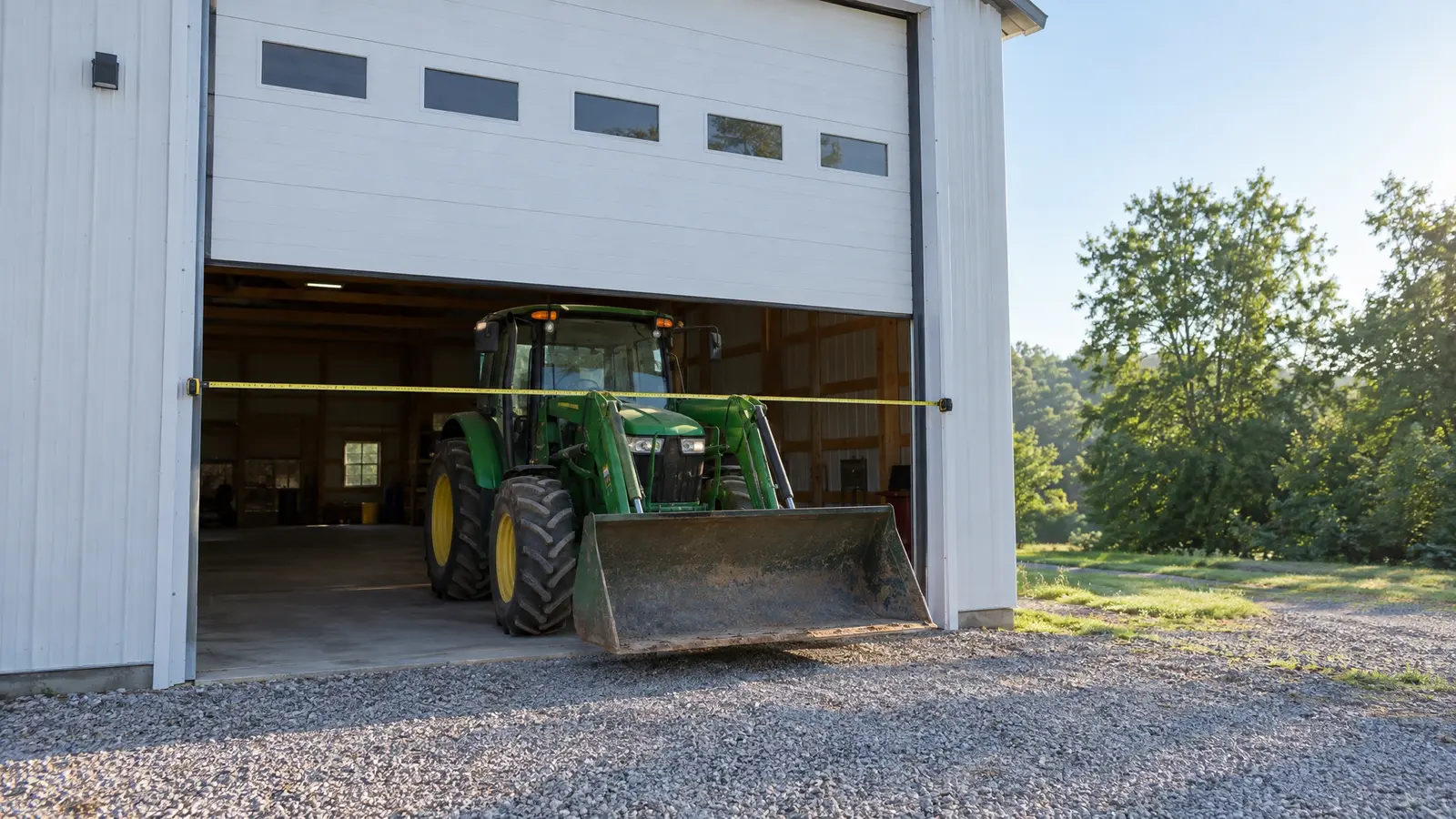
Measure the tallest and widest item, including accessories: a tractor with a cab or raised loader, an RV with roof AC units, a boat on a trailer with a tower. Then add clearance.
A common mistake is to size the door to the vehicle you own today, not the one you will own tomorrow.
Common sizes
Many tractors fit through openings 12 feet wide and 12 feet tall, larger equipment needs more, and Class A motorhomes often call for 14-foot-tall doors. Garage-style bays are commonly 9 to 12 feet wide, and walk doors are 3 feet wide.
We size to your list, not to a catalog.
Sliding or overhead
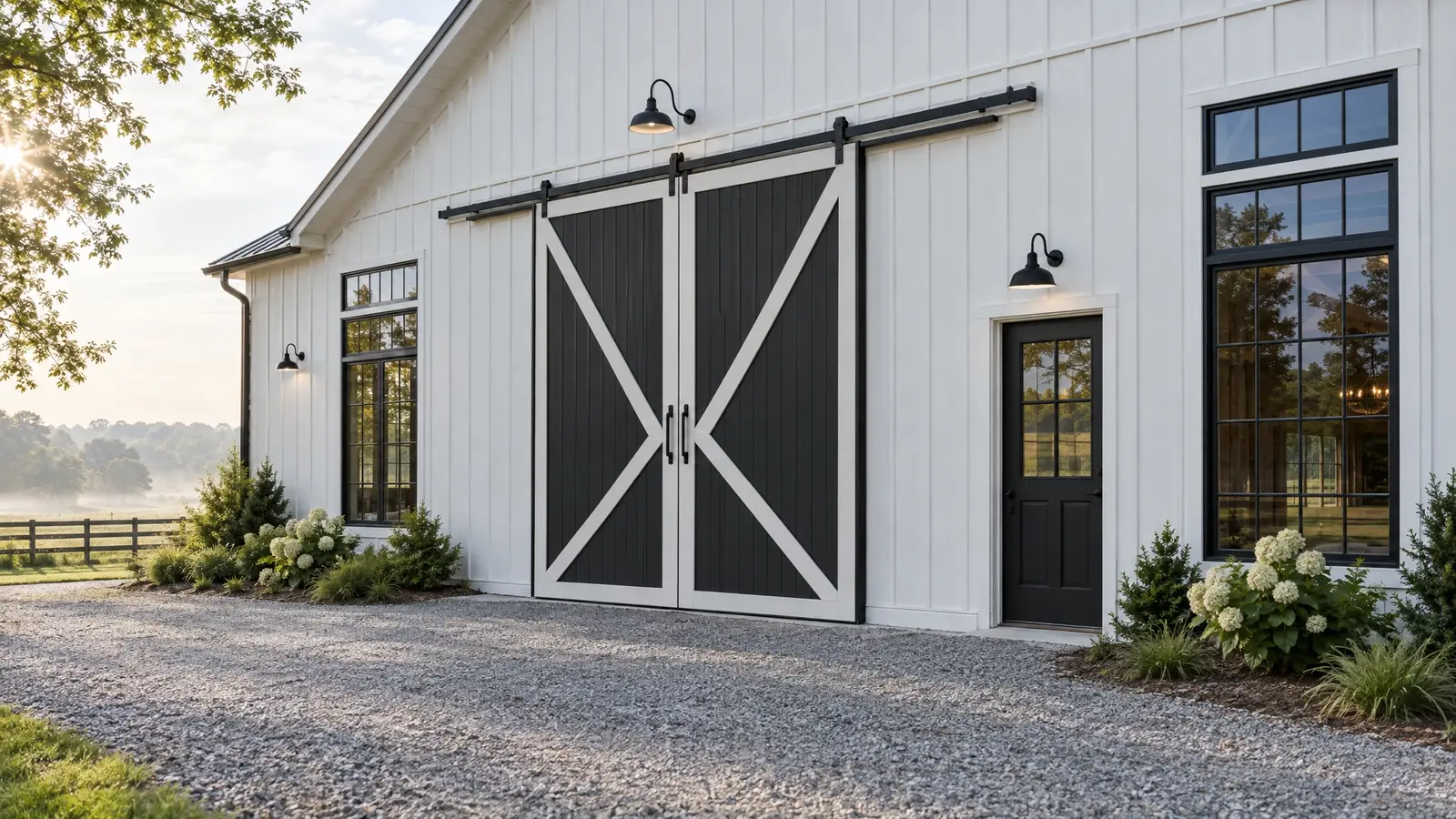
Sliding doors suit wide openings and are simple and strong, and overhead sectional doors seal better and work with openers. Large overhead doors need a headroom allowance above the opening for the tracks.
Choose based on how often you use the door and how much you care about sealing.
Framing and headers
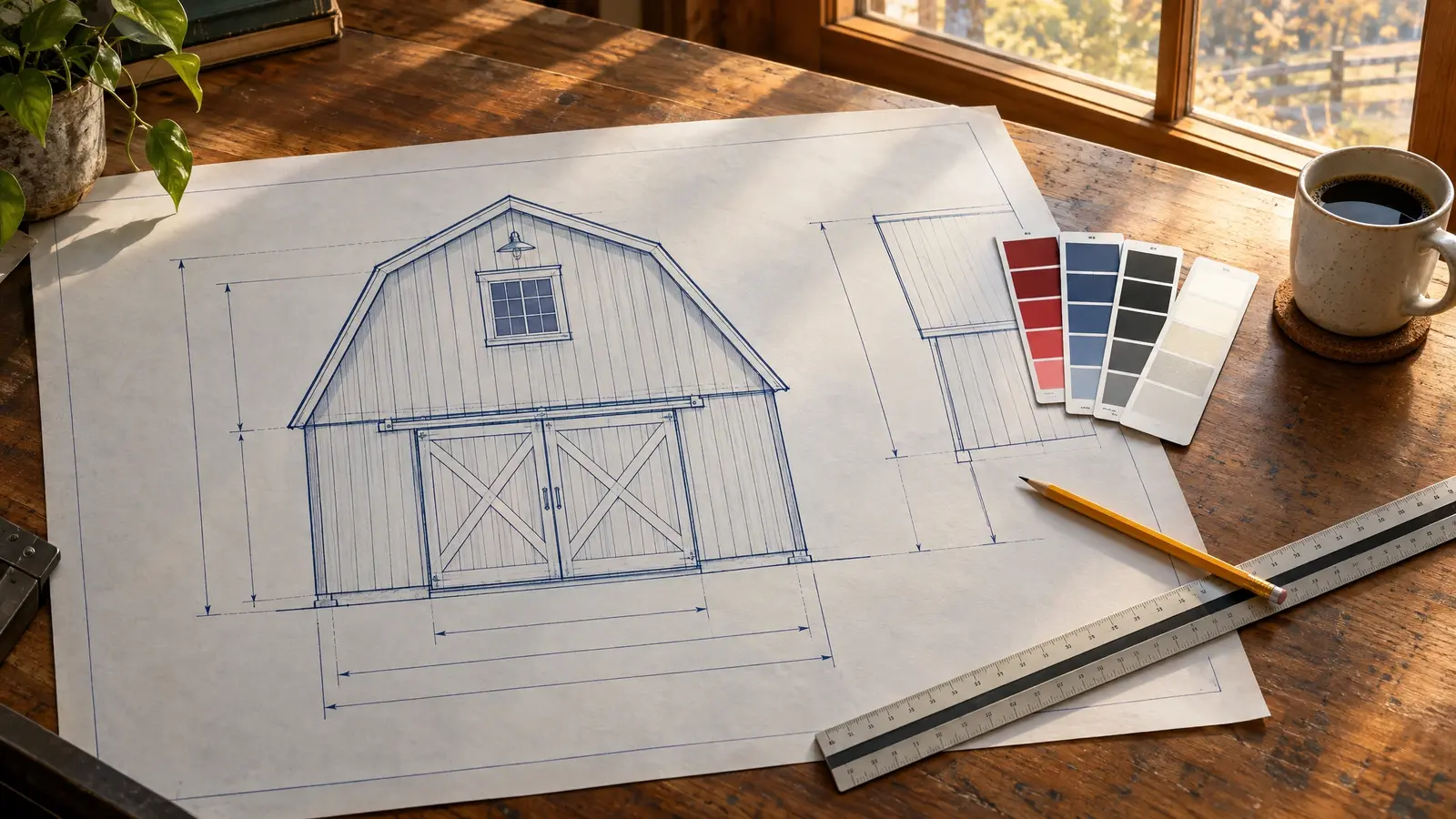
Large openings need engineered headers or heavier framing above them to carry the roof. Plan them with the building so the structure does not have to be modified later.
Approach and drainage
A door that opens onto a muddy or sloped approach is hard to use. Plan a graded, graveled or paved apron that drains away from the opening.
Measure with accessories, add at least a foot of clearance, and plan for the next piece of equipment.