The two systems
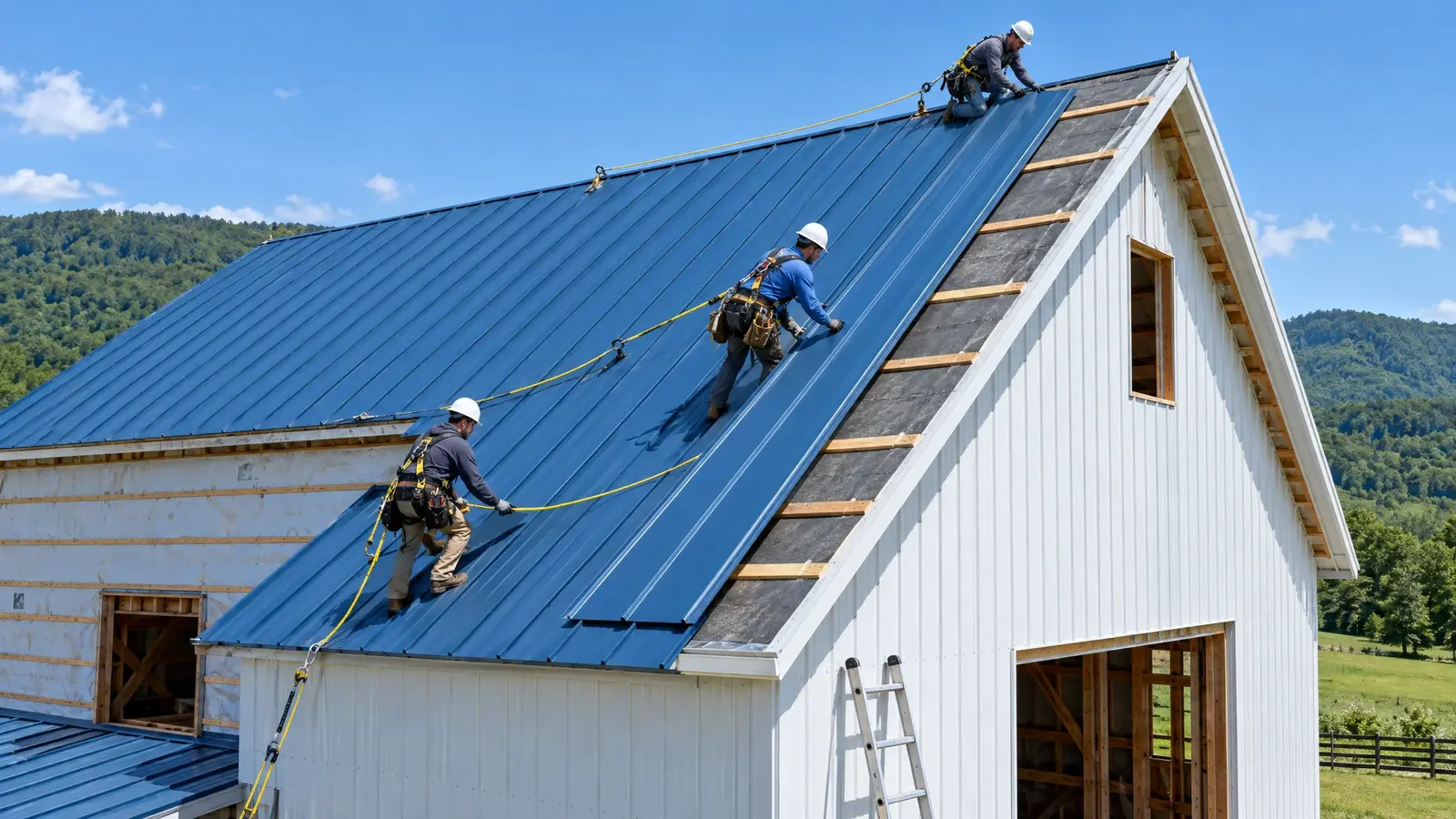
Exposed-fastener panels, such as R-panel and corrugated, are screwed through the face with rubber washers. Standing seam panels lock along raised seams, and clips hold them down so there are no screws on the surface.
Both are strong. The difference is how many places water could get in, how the roof handles movement and what it costs.
Slope matters
Exposed-fastener panels generally want a steeper slope, commonly at least about 2 or 3 in 12, and standing seam systems can often be used on lower slopes, with some mechanically seamed systems going very low. Follow the manufacturer's minimum for the specific product.
Low slopes need extra care with sealants, laps and flashing.
Gauge, coatings and color
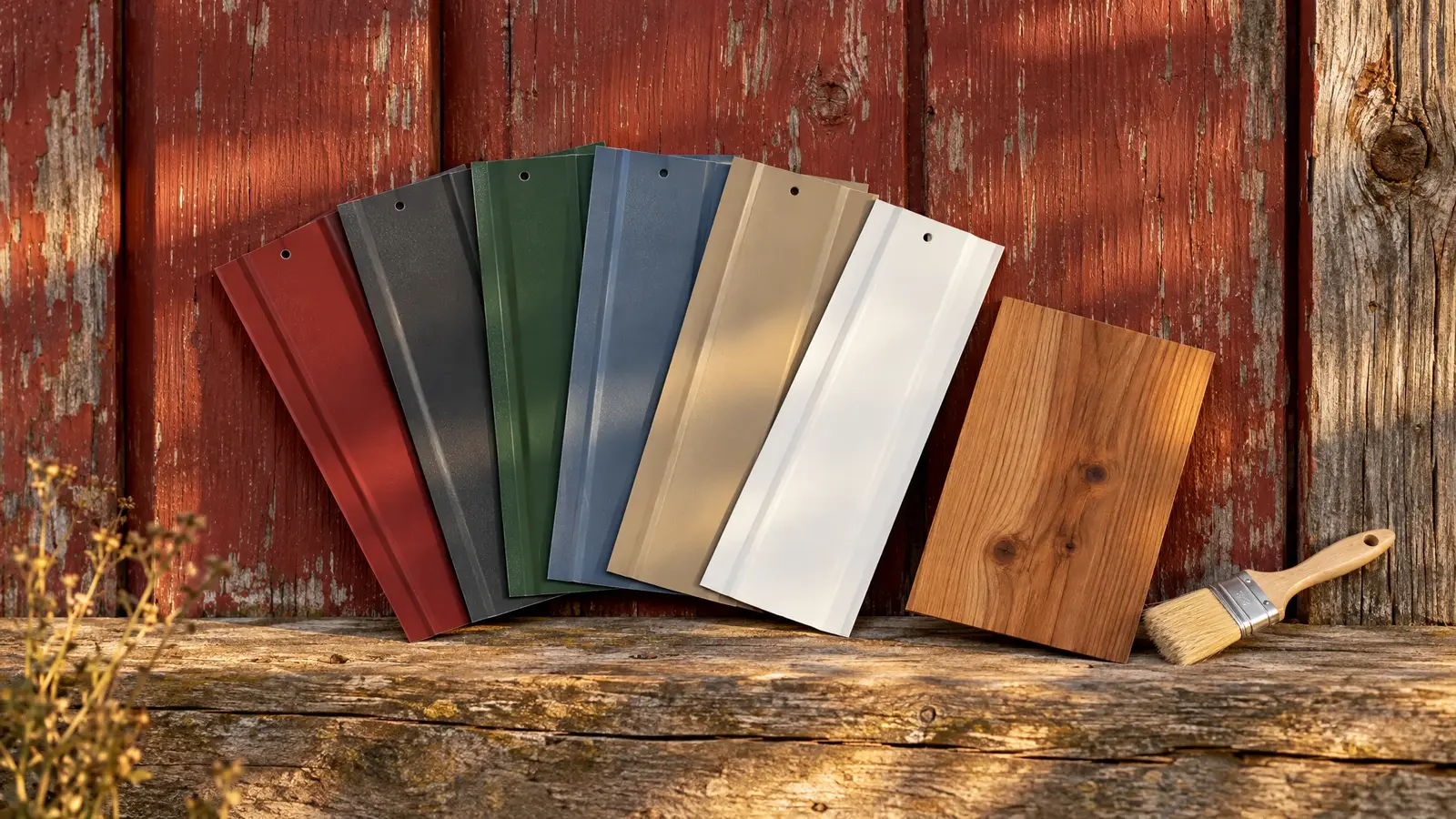
Thicker metal (lower gauge number) is stronger and resists denting. Coatings determine how well the color holds, and lighter or reflective colors reduce heat gain.
Choose a quality coating with a good warranty. Color is worth sampling in your own light.
Condensation and insulation
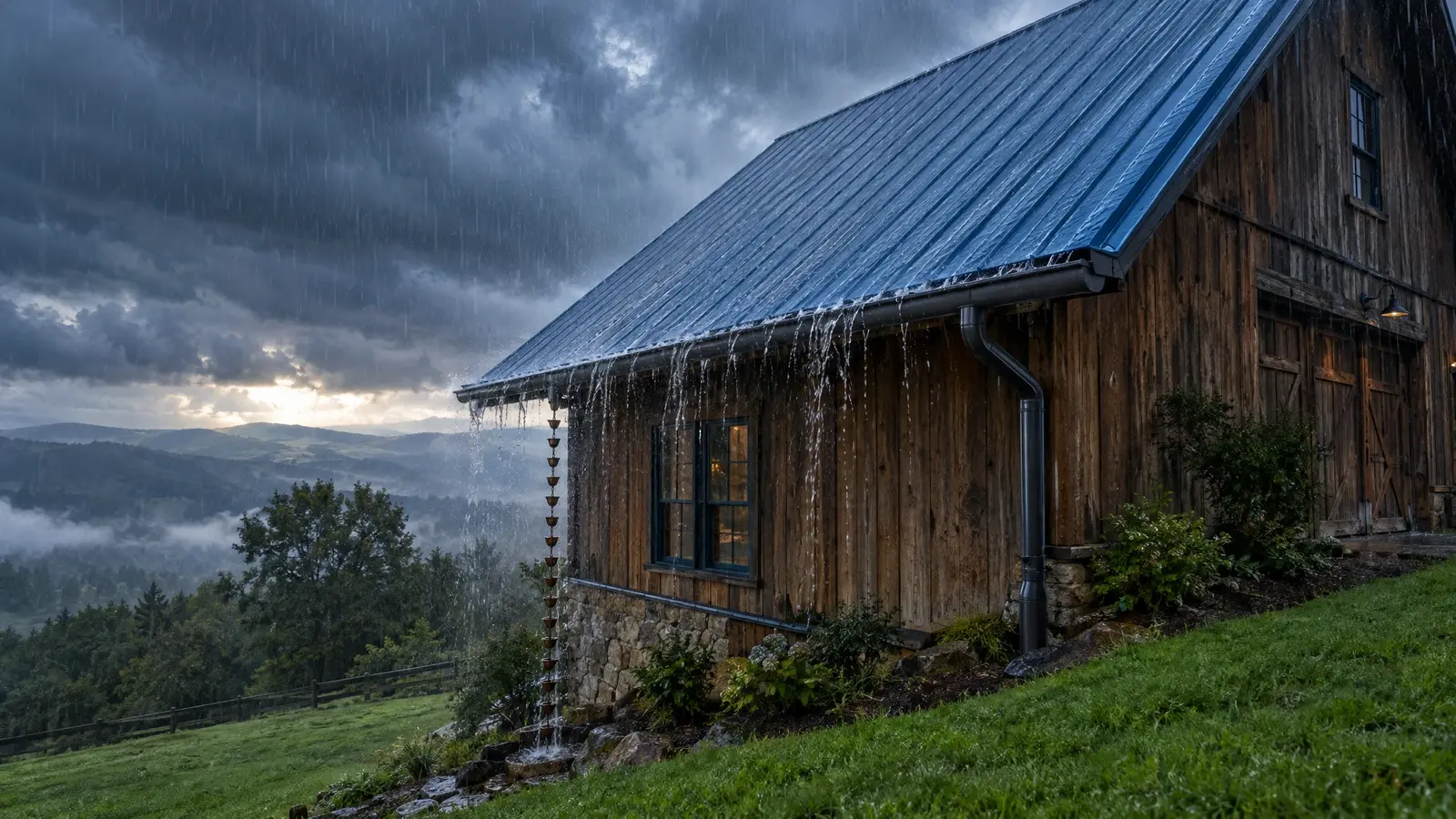
Metal roofs can drip from condensation when warm moist air meets a cool surface. A condensation control layer, insulation or spray foam prevents it.
Barns that will be heated, cooled or finished need this planned from the start.
Maintenance and lifespan
Check exposed fasteners every few years, keep gutters clear and inspect flashing and sealants. A well-installed metal roof can last for decades, and standing seam typically needs less attention than exposed-fastener.
Choose standing seam when you want low maintenance and a premium look, and exposed-fastener when budget and simplicity come first.